Q: The core projects outlined by the IBR Program will require future phases to be functional.
A.
As federally required, each phase of work must be able to demonstrate that it operates effectively and provides benefits to the traveling public independent of future phases of construction.
The core set of projects that will be built first include a replacement fixed-span bridge both northbound and southbound, I-5 connections, light rail extension, and removal of the existing bridge. These core projects improve safety, strengthen earthquake resilience, expand transit and active transportation options, and make daily travel safer and more reliable for people who use this corridor for work, school and essential services. Future phases will expand upon these improvements, but the initial phase does not depend on additional work to function effectively.
Q: Why not build a tunnel instead?
A.
A tunnel cannot be feasibly built within the footprint of I-5 without eliminating important connections to Hayden Island, downtown Vancouver and SR-14. It also comes with significantly more operational, environmental and historical resource impacts, and would cost more than a replacement bridge.
For more information about the suitability of an immersed tube tunnel, view the Tunnel Concept Assessment.
Q: How will the IBR Program address challenges posed by the current bridge on freight mobility?
A.
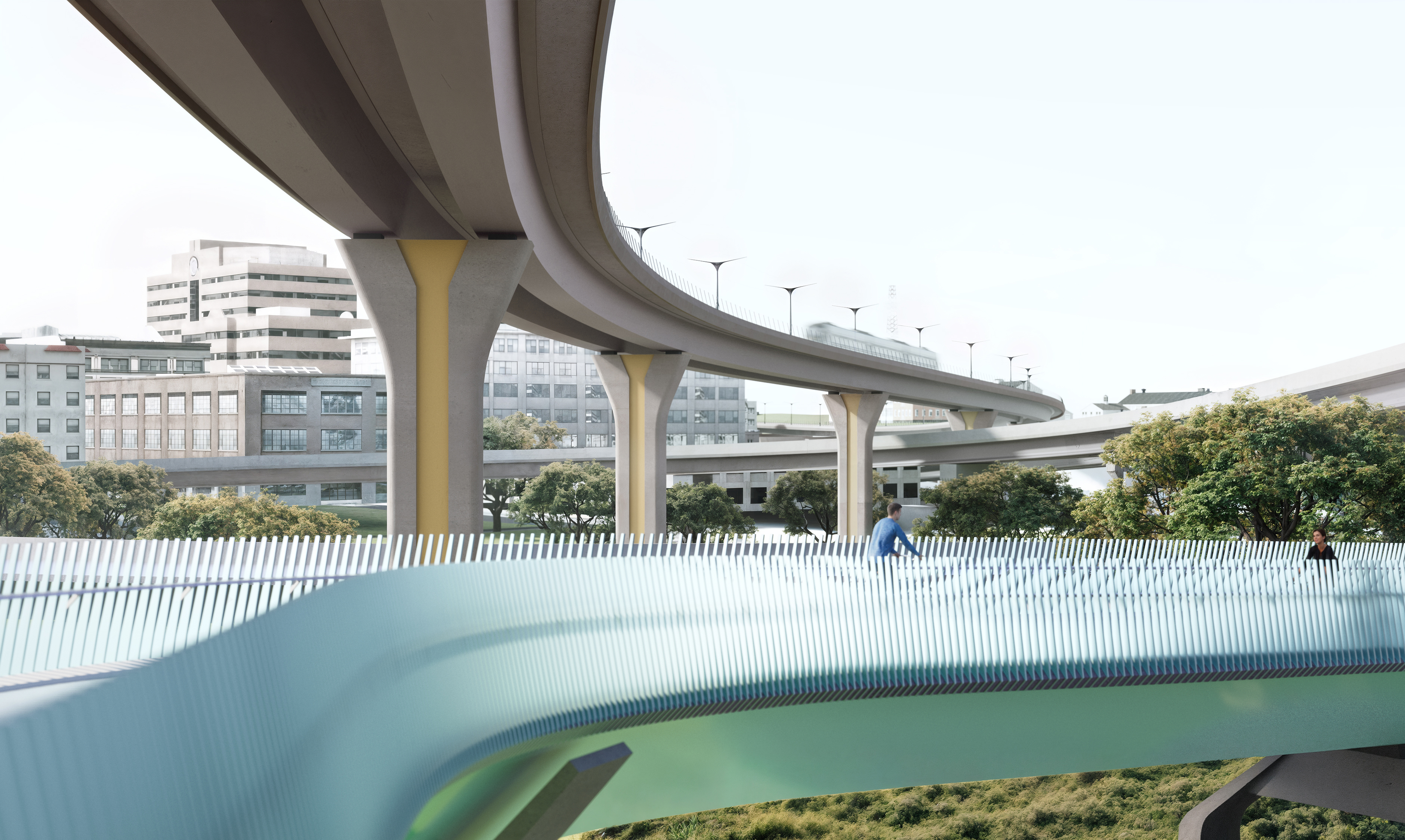
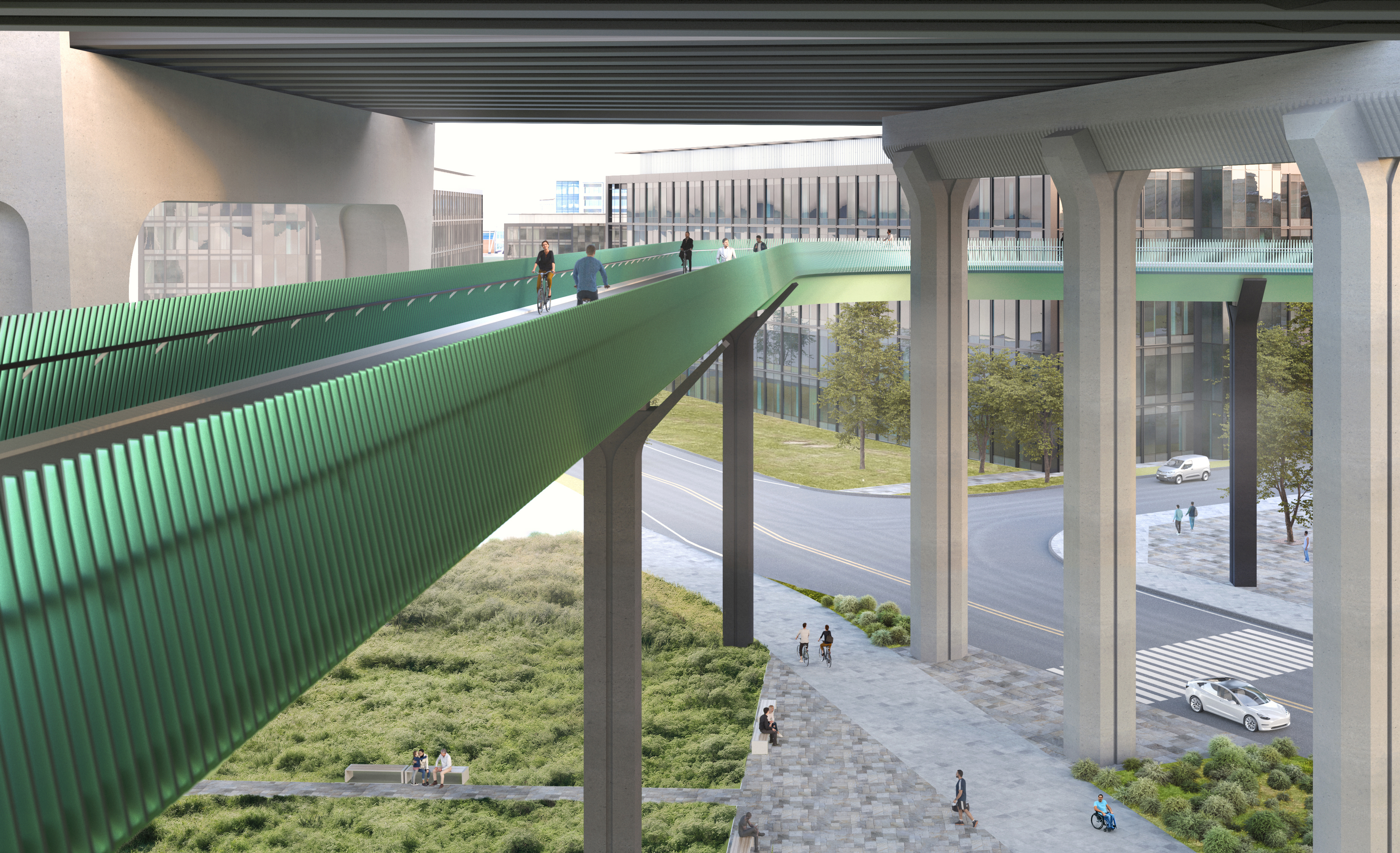
IBR Program investments will improve freight mobility through interchange design improvements, integration of ramp-to-ramp connections (auxiliary lanes), extension of light rail across the river, and improved bicycle and pedestrian facilities. Interchange improvements and auxiliary lanes can help freight move through the corridor more safely and efficiently compared to current conditions. Extending light rail across the river and improving active transportation options will provide travelers with more options to get across the river. With fewer cars on the road, additional space to merge safely, and thoughtful design considerations, freight can experience improved travel times and reliability.
Q: Why a fixed span bridge and not a movable span like the current bridge?
A.
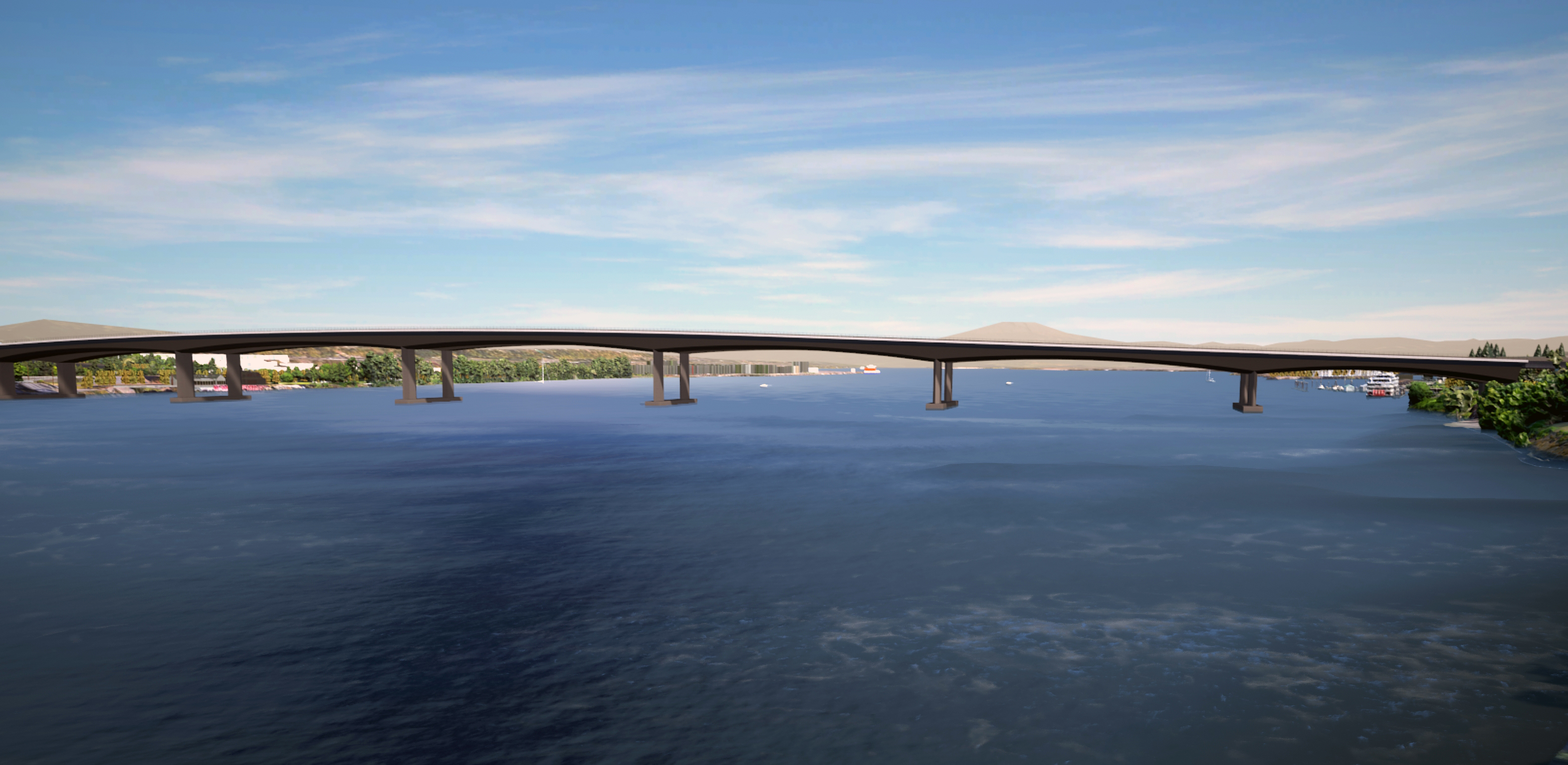
The Program reached a major milestone on Jan. 16 when the U.S. Coast Guard confirmed it will allow a fixed-span replacement bridge with 116 feet of vertical navigation clearance over the Columbia River.
The decision clears the way for a modern, multimodal bridge between Vancouver and Portland that eliminates bridge lifts, improves safety, and strengthens earthquake resilience. A fixed-span design at 116 feet was identified as the option that best balances the needs of all modes of travel within this congested corridor.
A fixed-span bridge will eliminate lift delays while continuing to serve more than 99% of river traffic, allowing roadway, transit, marine and air traffic to operate without interruption.